

Glaucoma is one of the most important causes of permanent vision loss because damage to the optic nerve cannot be reversed once it has occurred. In Singapore, about 3% of people above 50 have glaucoma. The figure rises to almost 10% among people over 70, and more than 80% of people with glaucoma may not know they have the condition when it is detected.
Early diagnosis and consistent treatment therefore matter.
If you are looking for a glaucoma specialist in Singapore, there are experienced ophthalmologists across both private practices and major public eye centres. The seven doctors below have backgrounds in glaucoma care, research, surgery or related ophthalmic treatment.
The order is intended as a practical guide rather than an independent clinical ranking. The right ophthalmologist depends on your glaucoma type, disease severity, other eye conditions, treatment needs and preference for public or private care.
Glaucoma Specialists in Singapore to Know
Here is a quick look at the seven glaucoma specialists covered in this guide:
- Dr Currie Chiang: A Consultant Eye Surgeon with overseas glaucoma training at Moorfields Eye Hospital and experience managing glaucoma within private ophthalmic care.
- Professor Aung Tin: A glaucoma specialist and clinician researcher with extensive experience in angle closure glaucoma and glaucoma genetics.
- Professor Paul Chew: A Senior Consultant with experience in glaucoma surgery, drainage implants and the management of difficult or advanced glaucoma.
- Professor Tina Wong: A glaucoma specialist whose clinical and research interests include glaucoma surgery, surgical wound healing and ophthalmic drug delivery.
- Associate Professor Shamira Perera: Head of the SNEC Glaucoma Department with experience in medical, laser and surgical glaucoma management.
- Associate Professor Victor Koh: An ophthalmologist with training in adult, childhood and complex glaucoma management.
- Dr Rachel Chong: A glaucoma specialist with a particular clinical and research interest in glaucoma associated with high myopia.
Below, we take a closer look at each specialist’s background, clinical focus and the types of glaucoma care they provide.
1. Dr Currie Chiang, International Eye Clinic
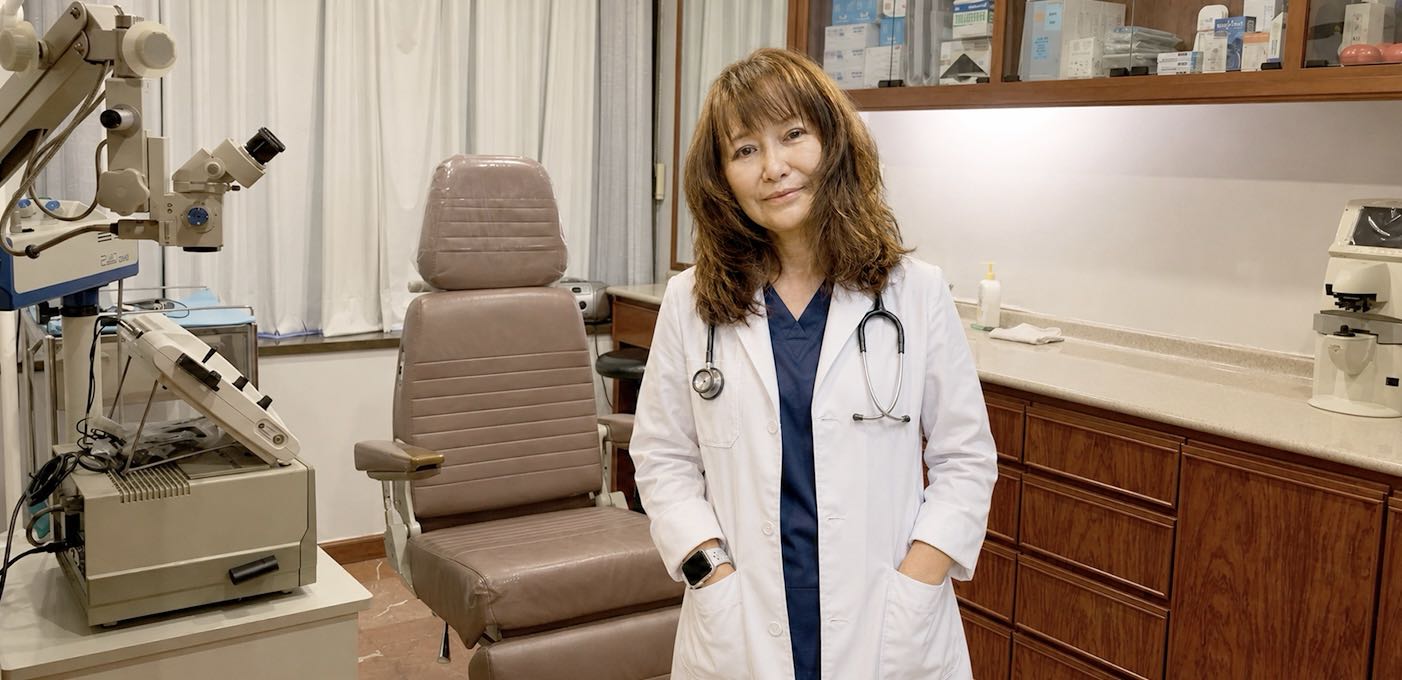
Dr Currie Chiang is a Consultant Eye Surgeon at International Eye Clinic at Mount Elizabeth Medical Centre.
She holds an MBBS from Singapore as well as FRCS Edinburgh, FRCOphth UK and FAMS qualifications. Her overseas ophthalmology training included work at Moorfields Eye Hospital in London, where she worked at the Glaucoma Clinic under Professor Jay. She also received training involving corneal, retinal and other ophthalmic conditions in the United Kingdom.
Dr Chiang’s stated special interest is the anterior segment of the eye, particularly cataract and refractive surgery. However, International Eye Clinic also provides glaucoma assessment and management, including eye pressure assessment, drainage angle examination, visual field testing, optical coherence tomography imaging, medicines, laser treatment and glaucoma surgery where appropriate.
For patients who prefer a private specialist setting with continuity of care, IEC provides glaucoma care from its Mount Elizabeth Medical Centre clinic.
2. Professor Aung Tin, Singapore National Eye Centre
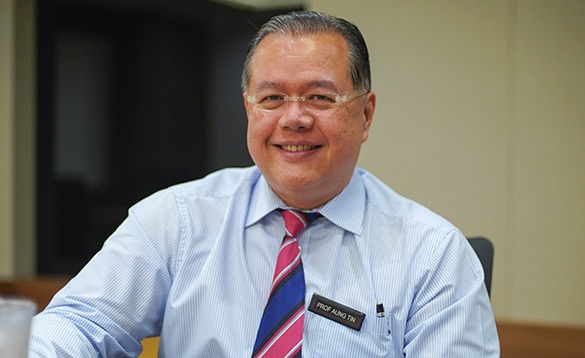
Professor Aung Tin is Chief Executive Officer of the Singapore National Eye Centre and a Senior Consultant in its Glaucoma Department. He is also Professor in the SingHealth Duke NUS Ophthalmology and Visual Sciences Academic Clinical Programme.
His research has focused extensively on glaucoma, particularly angle closure glaucoma and glaucoma genetics.
He leads the TARGET programme, a multidisciplinary Singapore research initiative that aims to improve glaucoma screening, risk prediction and treatment. The programme is especially relevant in Asia because angle closure glaucoma and normal tension glaucoma are more prominent in Asian populations than in many Western populations.
Professor Aung’s background may be particularly relevant for patients with complex glaucoma or angle closure disease requiring care within a large tertiary eye centre.
3. Professor Paul Chew, National University Hospital
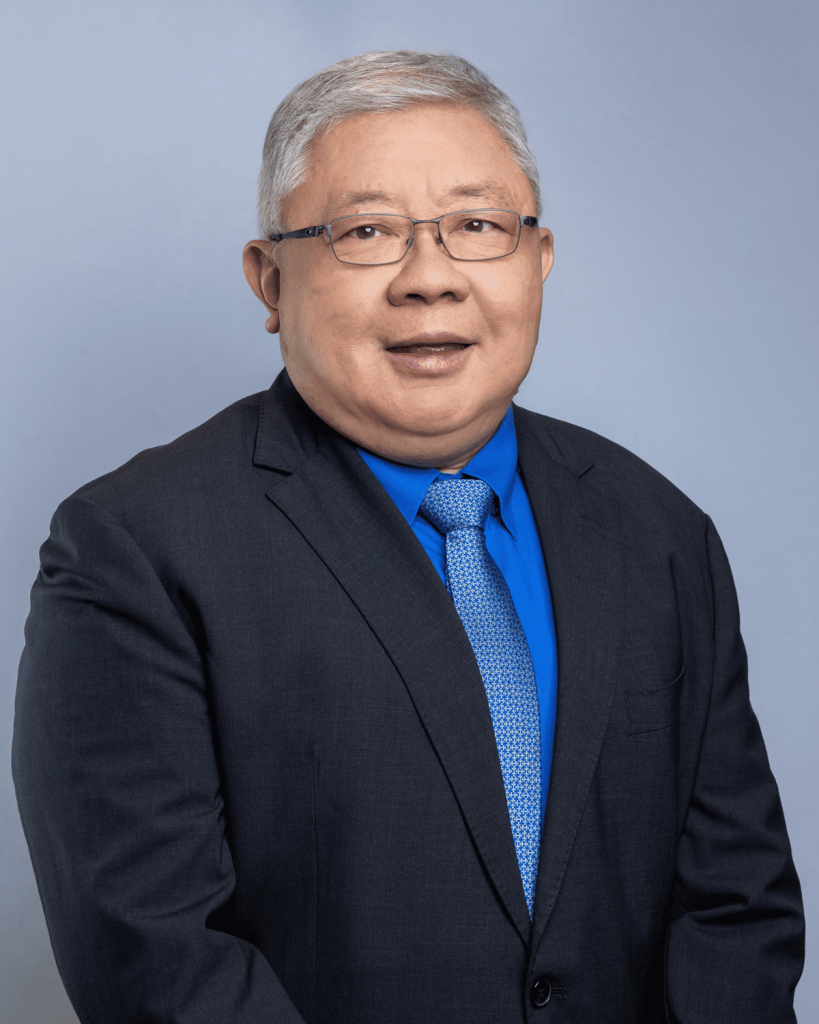
Professor Paul Chew is a Senior Consultant in Ophthalmology at National University Hospital and Professor at the NUS Yong Loo Lin School of Medicine.
His clinical disciplines include glaucoma, cataract and general ophthalmology. His work has also involved the development of technologies for treating difficult glaucoma, including glaucoma drainage implants and laser treatment.
Patients with glaucoma that remains poorly controlled despite medicines or conventional treatments may require procedures that improve the drainage of fluid from the eye. Specialists with experience in glaucoma drainage surgery can therefore be important when treating severe or treatment resistant disease.
NUH provides both glaucoma and cataract services within a tertiary hospital environment.
4. Professor Tina Wong, Singapore National Eye Centre
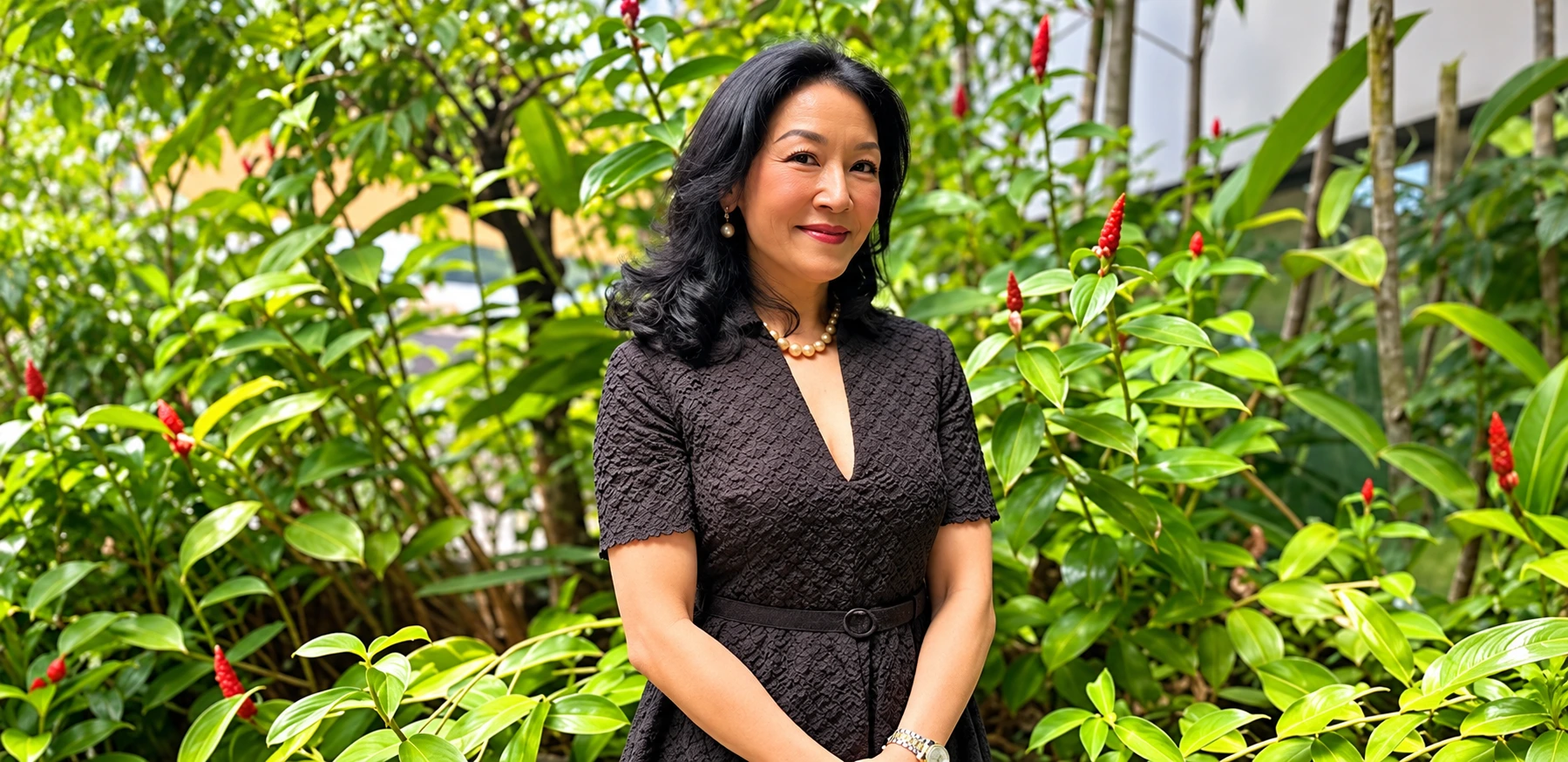
Professor Tina Wong is a Senior Consultant in the Glaucoma Department and Cataract and Comprehensive Ophthalmology Department at Singapore National Eye Centre.
Her clinical and research interests include glaucoma surgery, wound healing and ophthalmic drug delivery.
One challenge after some glaucoma operations is scar formation around the surgical drainage area. Professor Wong’s research has examined ways to improve glaucoma surgery and develop longer acting treatments that may reduce dependence on frequent eye drops.
Her work is therefore relevant to patients who may need surgical glaucoma management or ongoing specialist treatment.
5. Associate Professor Shamira Perera, Singapore National Eye Centre
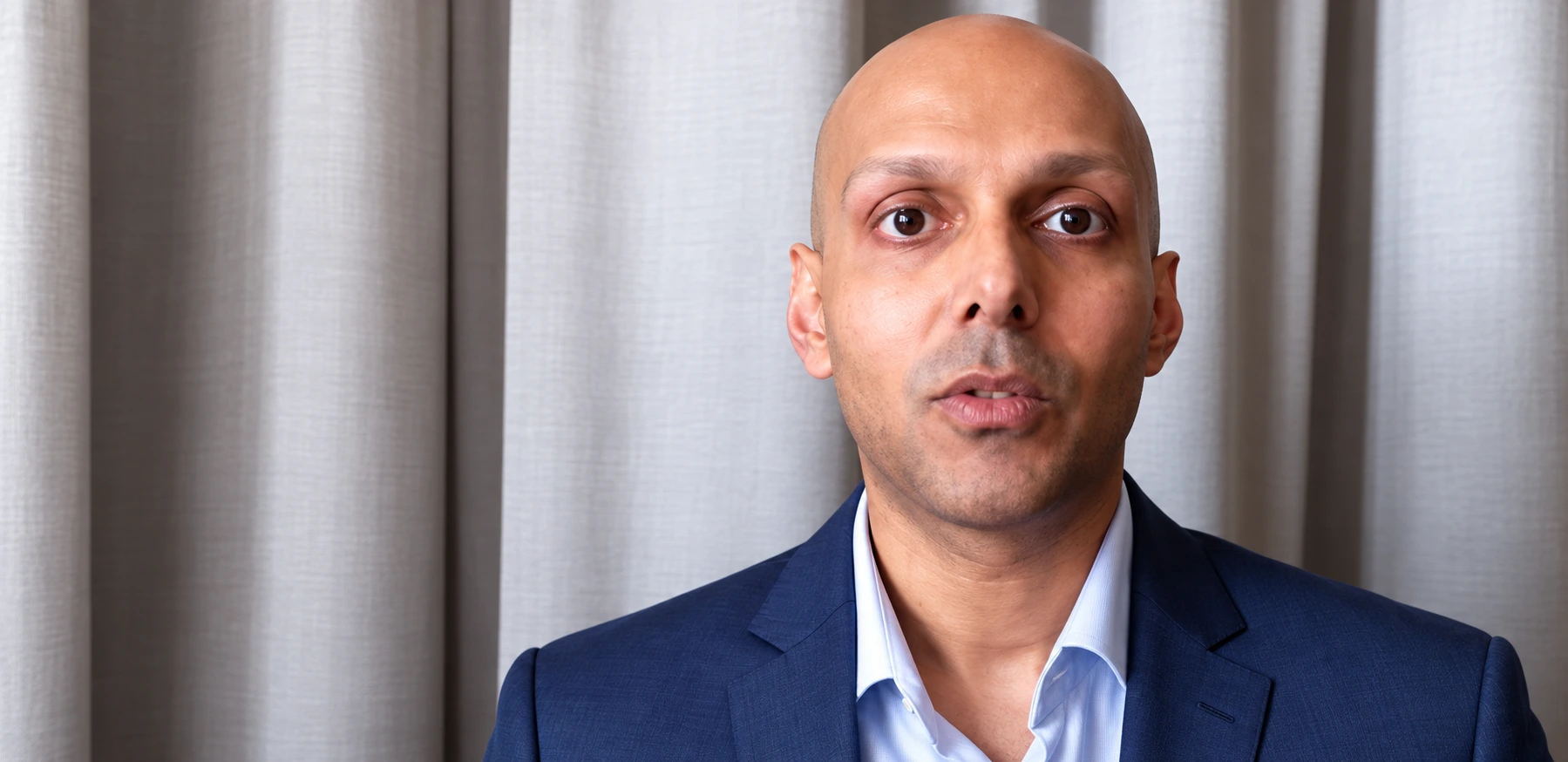
Associate Professor Shamira Perera is Head and Senior Consultant of the Glaucoma Department at Singapore National Eye Centre. His clinical interests include glaucoma as well as cataract and comprehensive ophthalmology.
SNEC’s glaucoma service provides medical treatment, laser therapy and surgery, including minimally invasive glaucoma surgery where clinically suitable. The department reports more than 63,800 outpatient visits and more than 760 glaucoma surgeries annually.
Minimally invasive glaucoma surgery uses smaller surgical approaches than traditional filtering procedures. It may be considered in selected patients, although it is not appropriate for every form or severity of glaucoma.
6. Associate Professor Victor Koh, National University Hospital
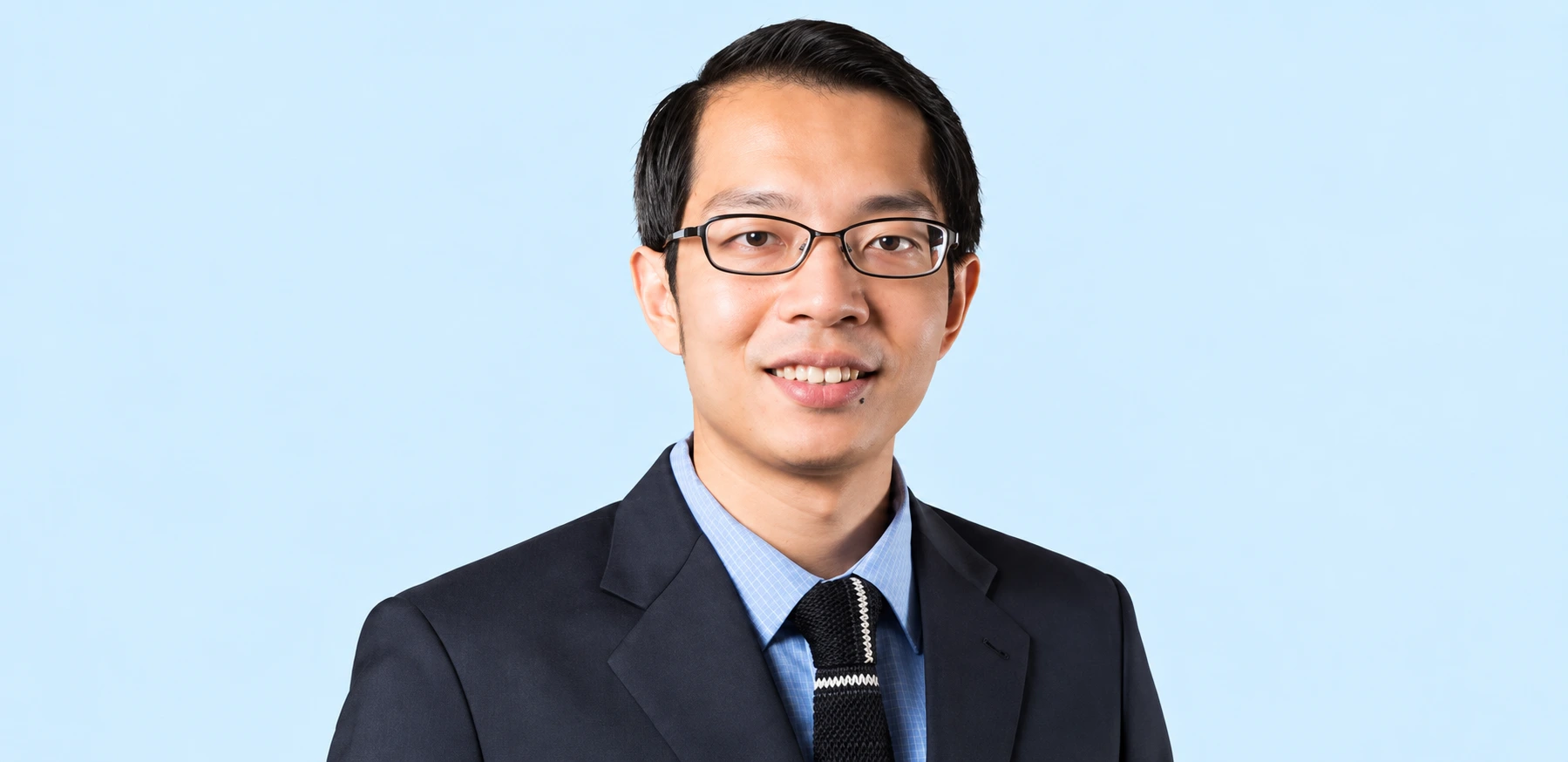
Associate Professor Victor Koh is Head of the Department of Ophthalmology at National University Hospital. His subspecialties include glaucoma, cataract and general ophthalmology.
He completed glaucoma fellowship training before undertaking further subspecialty training in childhood glaucoma and complex glaucoma management at Moorfields Eye Hospital in the United Kingdom.
His clinical expertise includes adult glaucoma, childhood glaucoma and complex cataract surgery.
His background can be particularly relevant when glaucoma affects a child or when a patient has a more complicated combination of glaucoma and cataract.
7. Dr Rachel Chong, Singapore National Eye Centre
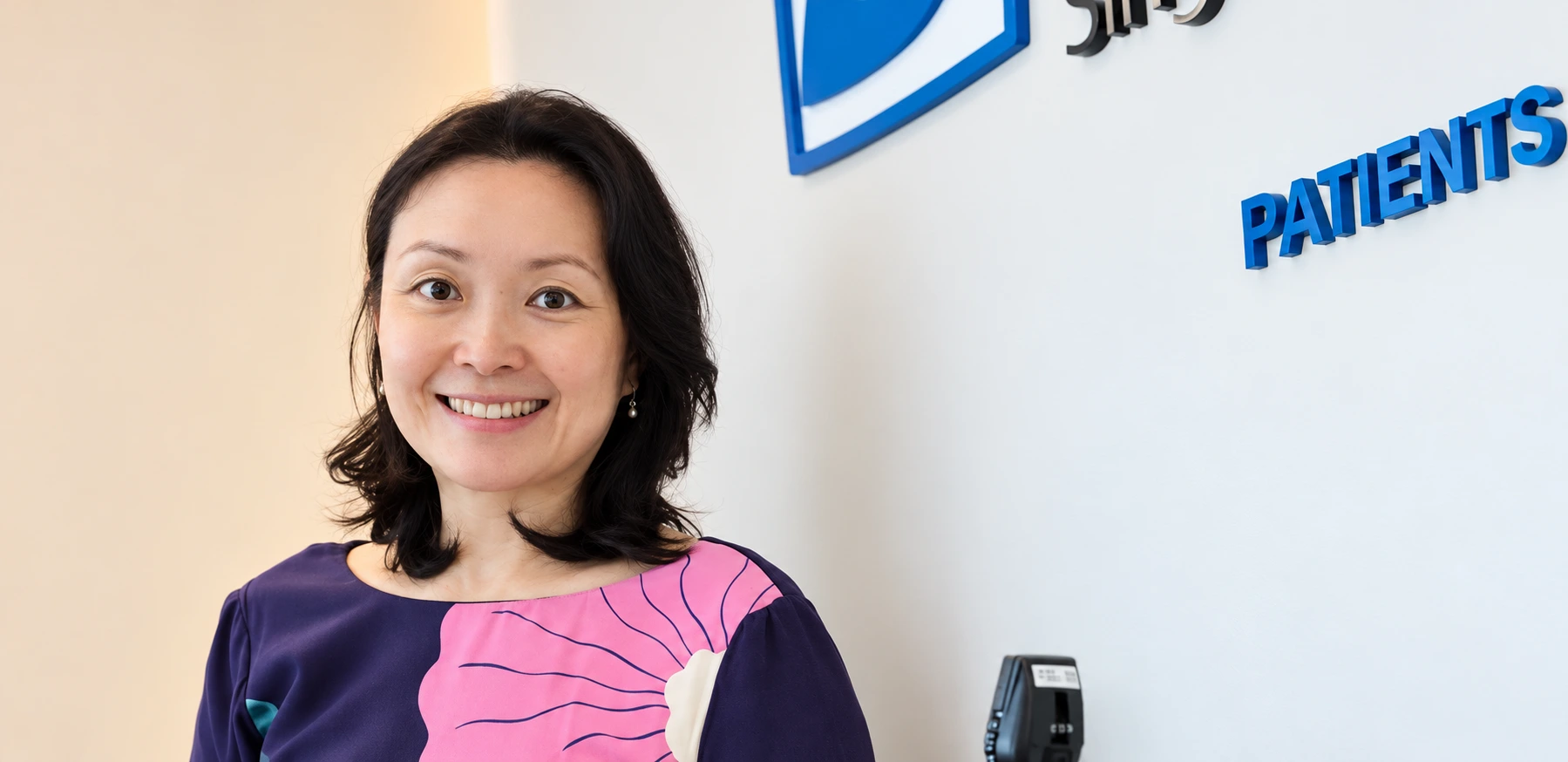
Dr Rachel Chong is a Senior Consultant in the Glaucoma Department and Cataract and Comprehensive Ophthalmology Department at Singapore National Eye Centre.
She runs a dedicated clinical service for patients who have high myopia and either suspected or established glaucoma.
This is particularly relevant in Singapore, where myopia is common. High myopia can alter the shape and appearance of the optic nerve, which can make distinguishing glaucoma damage from myopia related changes more difficult.
Her research interests also include myopia associated glaucoma and improved methods of diagnosing glaucoma in highly myopic eyes.
What Does a Glaucoma Specialist Treat?
Glaucoma refers to a group of eye conditions that can affect the optic nerve and vision.
Common forms include:
- Primary open angle glaucoma
- Primary angle closure glaucoma
- Normal tension glaucoma
- Secondary glaucoma
- Childhood or congenital glaucoma
The treatment goal is usually to lower pressure inside the eye enough to reduce the risk of further optic nerve damage.
Common Glaucoma Treatments in Singapore
|
Treatment |
What it does |
When it may be considered |
|
Eye drops |
Reduce fluid production or improve fluid drainage |
Often used as initial treatment |
|
Selective laser trabeculoplasty |
Improves fluid drainage |
Open angle glaucoma |
|
Laser peripheral iridotomy |
Creates a small opening in the iris |
Narrow or closed drainage angles |
|
Trabeculectomy |
Creates a new drainage pathway |
Glaucoma that remains uncontrolled |
|
Glaucoma drainage implant |
Redirects fluid through an implanted device |
Severe or difficult glaucoma |
|
Minimally invasive glaucoma surgery |
Uses smaller implants or surgical approaches |
Selected mild to moderate cases, often alongside cataract surgery |
SNEC notes that glaucoma treatment is aimed at reducing intraocular pressure while maintaining a patient’s quality of life. Treatment can range from medicines and laser procedures to conventional or minimally invasive surgery.
How to Choose a Glaucoma Specialist in Singapore
Rather than choosing solely from a list of names, consider whether the doctor’s experience matches your particular condition.
1. Your Type of Glaucoma
Angle closure, open angle, normal tension, childhood and secondary glaucoma can require different treatment strategies.
A patient with high myopia may also need more specialised assessment because changes caused by myopia can complicate optic nerve interpretation.
2. How Advanced the Glaucoma Is
Early glaucoma may only require monitoring, laser treatment or eye drops.
Advanced glaucoma may require trabeculectomy, drainage implants or other surgical procedures. In such cases, the surgeon’s experience with complex glaucoma surgery becomes more important.
3. Whether You Have Cataracts as Well
Glaucoma and cataracts commonly occur together, particularly in older adults.
In selected patients, cataract surgery and a glaucoma procedure may sometimes be performed together. The appropriate approach depends on the glaucoma type, eye pressure, optic nerve damage and cataract severity.
4. Public Versus Private Care
Singapore offers both public tertiary eye centres and private ophthalmology clinics.
Public centres may provide access to large subspecialty teams and subsidised care for eligible patients. Private clinics may offer greater continuity with the same ophthalmologist and potentially shorter appointment waiting times.
5. Long Term Follow Up
Glaucoma usually requires lifelong monitoring.
Your ophthalmologist may regularly assess:
- Eye pressure
- Optic nerve appearance
- Optical coherence tomography scans
- Visual fields
- Drainage angles
- Treatment response
Convenient follow up and clear communication can therefore matter almost as much as the initial treatment.
How Much Does Glaucoma Treatment Cost in Singapore?
Costs vary substantially according to the procedure, surgeon, healthcare setting and whether treatment is subsidised.
For glaucoma filtering operations such as trabeculectomy, Singapore’s Ministry of Health currently lists a recommended private surgeon fee benchmark of approximately S$2,507 to S$4,251 including GST for routine cases under the relevant procedure code. Hospital, medication and anaesthesia fees can be additional.
More complex combined cataract and glaucoma procedures can cost more. Patients should obtain a written estimate before surgery and check their MediSave, MediShield Life or Integrated Shield Plan coverage where applicable.
When Should You See an Eye Doctor for Glaucoma?
The most common forms of glaucoma may cause no noticeable symptoms during the early stages.
An eye examination becomes particularly important if you:
- Are over 40
- Have a parent or sibling with glaucoma
- Have high myopia
- Have diabetes
- Have previously recorded high eye pressure
- Use steroid medicines for prolonged periods
- Have experienced previous eye injury
Seek urgent medical attention if you suddenly develop severe eye pain, a red eye, blurred vision, coloured halos around lights, headache, nausea or vomiting. These symptoms can occur during acute angle closure glaucoma and require prompt assessment.
Frequently Asked Questions
Who should I see for glaucoma in Singapore?
An ophthalmologist who regularly diagnoses and manages glaucoma is appropriate. More complex cases may benefit from a doctor with dedicated glaucoma subspecialty training or experience in advanced glaucoma surgery.
Can glaucoma be cured?
There is currently no treatment that restores optic nerve tissue already lost to glaucoma. Treatment aims to slow or prevent further damage by controlling eye pressure and other relevant risk factors.
Can glaucoma still occur if my eye pressure is normal?
Yes. Normal tension glaucoma causes optic nerve damage even when pressure measurements fall within what is usually considered the normal range. Eye pressure alone therefore cannot rule out glaucoma.
How is glaucoma diagnosed?
A glaucoma assessment may include measurement of eye pressure, examination of the optic nerve, visual field testing, optical coherence tomography, assessment of corneal thickness and gonioscopy to inspect the eye’s drainage angle.
How often should glaucoma patients have their eyes checked?
There is no single schedule for everyone. Follow up frequency depends on your eye pressure, optic nerve damage, visual field results, glaucoma type and how quickly the condition is changing. Patients with unstable or advanced glaucoma generally require more frequent monitoring.
|
Medical disclaimer: This article is intended for general educational purposes and does not replace assessment or advice from a qualified ophthalmologist. |
References and Sources
- HealthXchange (SingHealth/SNEC). Glaucoma in Singapore: stats, risk factors and prevention. https://www.healthxchange.sg/seniors/ageing-concerns/glaucoma-singapore-stats-risk-factors-prevention
- Foster PJ et al. Prevalence of glaucoma in Chinese residents of Singapore (Tanjong Pagar study). Arch Ophthalmol. https://pubmed.ncbi.nlm.nih.gov/10922206/
- Singapore National Eye Centre. Tackling and Reducing Glaucoma Blindness with Emerging Technologies (TARGET). https://www.snec.com.sg/research-innovation/key-programmes/tackling-reducing-glaucoma-blindness-with-emerging-technologies
- Singapore National Eye Centre. CEO’s Office – Professor Aung Tin. https://www.snec.com.sg/about-snec/who-we-are/snec-ceo-office
- Two-Year Outcomes of the PAUL Glaucoma Implant. PubMed. https://pubmed.ncbi.nlm.nih.gov/35180153/
- HealthHub (Singapore). Keeping an eye on your eye health. https://www.healthhub.sg/well-being-and-lifestyle/personal-care/keeping-an-eye-on-your-eyes
Ministry of Health Singapore. SL855E fee benchmark (glaucoma filtering and cataract surgery). https://www.moh.gov.sg/managing-expenses/bills-and-fee-benchmarks/cost-financing/tosp-sl855e-bill-information/
