

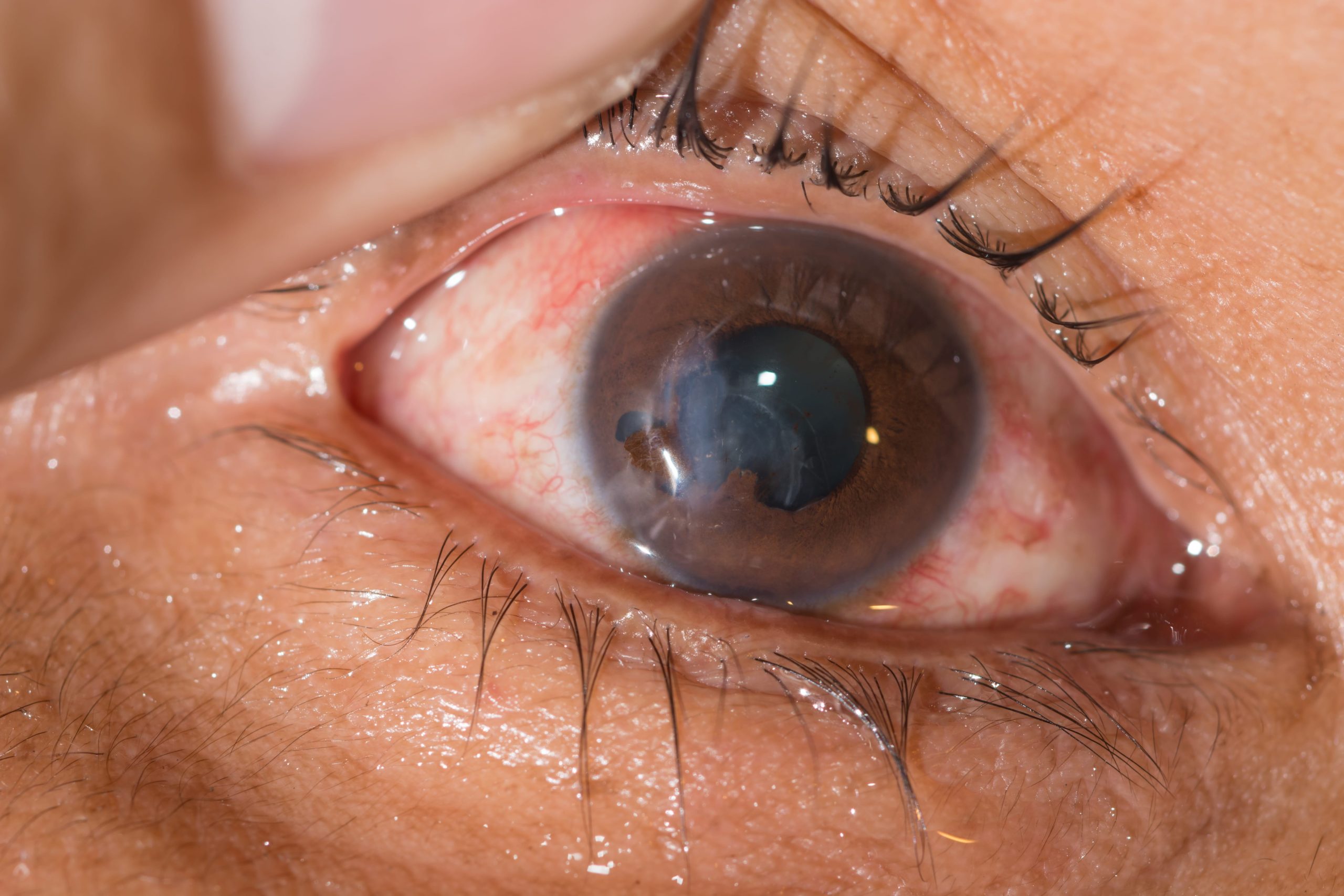
Glaucoma is often referred to as the “silent thief of sight” because it can damage vision gradually without obvious warning signs. By the time symptoms become noticeable, significant vision loss may already have occurred, making timely access to glaucoma treatment in Singapore critical for preserving eye health.
This condition affects the optic nerve, which is responsible for transmitting visual information from the eye to the brain. Once the optic nerve is damaged, the resulting vision loss is typically permanent and irreversible.
Many people are unaware they have glaucoma until the condition has progressed. This is why understanding the early signs of glaucoma and attending regular eye screenings is essential for protecting long-term vision.
What Is Glaucoma?
Glaucoma refers to a group of eye conditions that damage the optic nerve. This damage often occurs when the pressure inside the eye becomes too high, although glaucoma can also develop with normal eye pressure.
How glaucoma affects the optic nerve
The optic nerve is made up of thousands of nerve fibres that transmit visual signals to the brain. When glaucoma damages these fibres, parts of the visual field may gradually disappear.
Vision loss usually begins in the peripheral (side) vision, which is why many patients do not notice the problem in the early stages.
The role of eye pressure in vision loss
Inside the eye, a clear fluid continuously circulates to nourish internal structures. When this fluid does not drain properly, intraocular pressure (eye pressure) can increase.
Elevated eye pressure may place stress on the optic nerve, contributing to nerve damage over time. Managing eye pressure is therefore one of the key goals in glaucoma treatment.
Common Types of Glaucoma
There are several types of glaucoma, each affecting the eye in different ways.
Primary open-angle glaucoma
Primary open-angle glaucoma is the most common type of glaucoma. It develops slowly when the eye’s drainage system becomes less efficient, leading to a gradual increase in eye pressure.
Because the condition progresses slowly, many patients experience no noticeable symptoms in the early stages.
Angle-closure glaucoma
Angle-closure glaucoma occurs when the drainage angle inside the eye suddenly becomes blocked. This can cause a rapid rise in eye pressure and may lead to symptoms such as severe eye pain, headaches, blurred vision, and nausea.
This form of glaucoma requires urgent medical attention.
Secondary and less common forms
Other forms of glaucoma can occur due to underlying causes such as:
- Eye injury
- Inflammation inside the eye
- Certain medications
- Other eye conditions
Although less common, these forms can still lead to optic nerve damage if not properly managed.
Early Signs of Glaucoma
One of the challenges with glaucoma is that early-stage disease often causes few or no noticeable symptoms.
Why early-stage glaucoma often has no symptoms
In many cases, glaucoma initially affects the outer edges of the visual field rather than central vision. Because the brain compensates for these changes, patients may not realise that vision loss has already begun.
This is why routine eye examinations play a critical role in detecting the condition early.
Subtle warning signs patients may overlook
Although symptoms may be mild, some people may notice subtle changes, including:
- Gradual loss of peripheral vision
- Difficulty seeing clearly in low-light environments
- Frequent changes in glasses prescription
- Mild eye discomfort or pressure
- Seeing halos around lights
Recognising these glaucoma signs and symptoms early can help prompt timely evaluation.
Who Is at Higher Risk of Glaucoma?
While glaucoma can affect anyone, certain groups face a higher risk.
Age-related risk
The likelihood of developing glaucoma increases with age. People over the age of 40 are generally advised to undergo regular eye examinations to monitor for early changes.
Family history
Individuals with a family history of glaucoma are more likely to develop the condition themselves. If a close relative has glaucoma, regular screening becomes even more important.
Medical conditions
Certain health conditions may increase the risk of glaucoma, including:
- Diabetes
- High eye pressure
- Cardiovascular conditions
- Severe myopia (high short-sightedness)
Long-term steroid use
Long-term use of steroid medications, particularly steroid eye drops, may increase eye pressure and raise the risk of glaucoma.
Why Regular Eye Screening Is Critical
Because glaucoma often develops silently, routine eye screening is one of the most effective ways to detect the disease early.
How glaucoma can be detected before symptoms appear
An eye specialist in Singapore can identify early signs of glaucoma through several diagnostic tests. These tests evaluate eye pressure, optic nerve health, and changes in the visual field.
Detecting glaucoma early allows doctors to begin treatment before significant vision loss occurs.
Benefits of early diagnosis and monitoring
Early detection provides several advantages:
- Slowing or preventing further vision loss
- Allowing treatment before symptoms appear
- Monitoring disease progression more effectively
- Preserving long-term visual function
Recommended screening frequency by risk group
Screening frequency may vary depending on individual risk factors.
General recommendations include:
- Adults under 40: periodic eye checks every few years
- Adults over 40: regular eye examinations every 1–2 years
- Higher-risk individuals: more frequent screening as advised by an ophthalmologist
How Glaucoma Is Diagnosed During an Eye Exam
A comprehensive eye examination may include several tests to detect glaucoma.
Eye pressure measurement
Tonometry measures the pressure inside the eye and helps identify elevated intraocular pressure.
Optic nerve assessment
The doctor examines the optic nerve to check for structural changes or signs of damage.
Visual field testing
Visual field tests measure how well you can see objects in your peripheral vision. These tests can detect early vision loss caused by glaucoma.
Imaging scans
Advanced imaging technologies may be used to assess the optic nerve and retinal nerve fibre layer, allowing doctors to monitor subtle changes over time.
Living With Glaucoma: Long-Term Monitoring and Management
Although glaucoma cannot be reversed, it can often be managed effectively with early treatment and ongoing monitoring.
Importance of follow-up care
Patients diagnosed with glaucoma usually require long-term follow-up appointments to monitor eye pressure and optic nerve health.
Regular monitoring allows doctors to adjust treatment if necessary and reduce the risk of further damage.
Preventing progression through early intervention
Treatment options may include:
- Prescription eye drops
- Laser treatments
- Surgical procedures in certain cases
These treatments aim to lower eye pressure and protect the optic nerve.
When to Book a Glaucoma Screening
If you fall into a higher-risk group or notice changes in your vision, it is advisable to schedule an eye examination.
Symptoms that warrant immediate assessment
Seek professional evaluation if you experience:
- Sudden eye pain or headaches
- Blurred vision
- Halos around lights
- Rapid vision changes
- Nausea accompanied by eye discomfort
These symptoms could indicate a more urgent form of glaucoma.
Why specialist screening matters
Eye specialist clinics in Singapore like International Eye Clinic use advanced diagnostic equipment to detect early optic nerve changes and assess glaucoma risk accurately.
At International Eye Clinic, we provide comprehensive eye examinations and glaucoma screening to detect early signs of the condition and monitor long-term eye health. If you would like to schedule an eye check-up or learn more about Singapore glaucoma treatment, give us a visit.
FAQ
Can glaucoma be detected before vision loss occurs?
Yes. Glaucoma can often be detected before noticeable vision loss occurs through specialised eye tests that measure eye pressure, evaluate the optic nerve, and assess the visual field.
If I have no symptoms, do I still need screening?
Yes. Many patients with glaucoma have no symptoms in the early stages, which is why regular screening is important, especially for individuals over 40 or those with risk factors.
How often should I be screened for glaucoma?
Screening frequency depends on age and risk factors. Many adults benefit from eye examinations every 1–2 years, while higher-risk individuals may require more frequent monitoring.
Is glaucoma hereditary?
Yes. Glaucoma can run in families. If a close relative has been diagnosed with glaucoma, your risk may be higher, and regular screening is recommended.
