

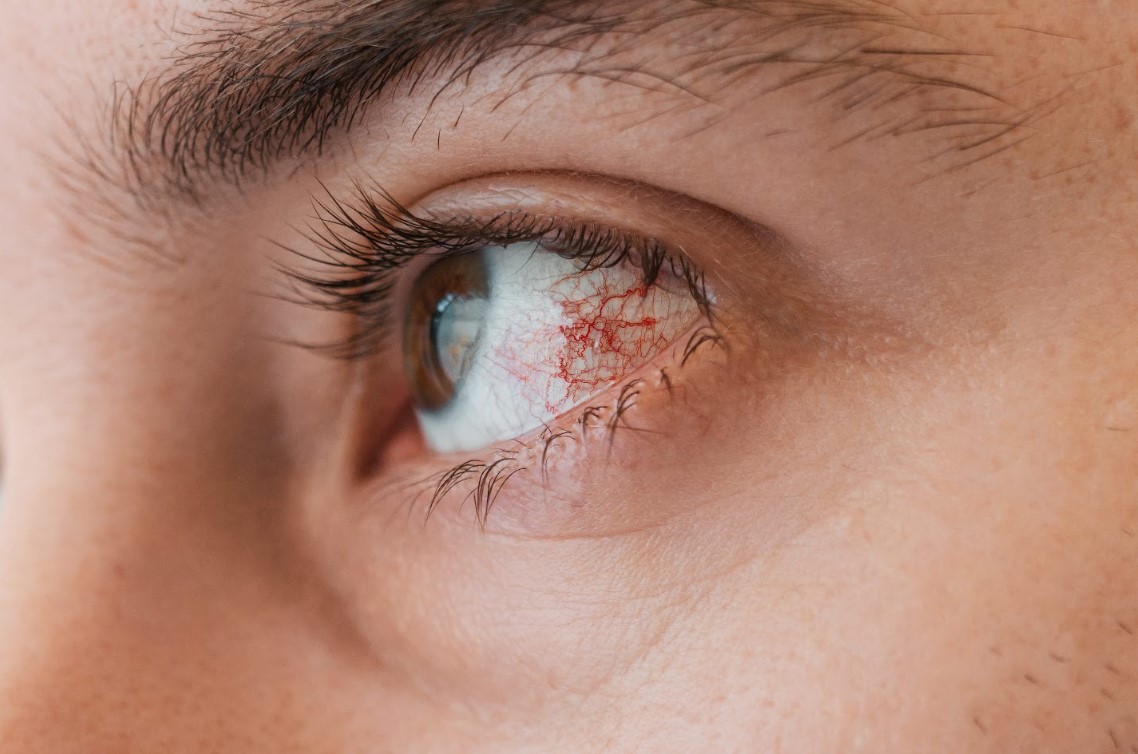
A retinal tear is a serious eye condition that should be assessed promptly by an eye doctor. It may not cause pain, but it can lead to retinal detachment if left untreated. Retinal detachment is a medical emergency that can result in permanent vision loss.
Retina laser treatment is commonly used to treat suitable retinal tears before they progress. The aim is not to “close” the tear itself, but to create a firm scar around it. This helps seal the surrounding retina and lowers the risk of fluid passing through the tear and causing retinal detachment.
What Is a Retinal Tear?
The retina is the light-sensitive layer at the back of the eye. It receives light and sends visual signals to the brain. A retinal tear happens when a break forms in this thin layer.
One common cause is age-related change in the vitreous, the gel-like substance inside the eye. As the vitreous shrinks and separates from the retina, it may pull on areas where it is strongly attached. If the pulling force is strong enough, the retina can tear.
Retinal tears can also be linked to high myopia, trauma, previous eye surgery, family history or areas of retinal weakness.
Common symptoms include:
- Sudden increase in floaters
- Flashes of light
- Blurred vision
- Shadow or curtain over part of the vision
- Sudden change in vision
A retinal tear may be painless, so symptoms should not be ignored even if there is no discomfort.
Why Retinal Tears Should Not Be Ignored
A retinal tear can allow fluid inside the eye to pass under the retina. When this happens, the retina may lift away from the back wall of the eye. This is called retinal detachment.
Untreated retinal tears can progress into retinal detachment, which may cause partial or complete vision loss. Retinal tears are usually treated with laser treatment to reduce this risk.
The urgency depends on the size, location and appearance of the tear, as well as whether there is already fluid under the retina. An ophthalmologist will examine the retina after dilating the pupil. This allows a clearer view of the back of the eye.
If you notice new floaters, flashes or a shadow in your vision, seek prompt eye assessment. Early diagnosis gives your doctor more treatment options and may reduce the risk of more serious complications.
What Is Retinal Laser Treatment?
Retinal laser treatment, also called laser photocoagulation, uses a focused medical laser to treat selected retinal conditions. For a retinal tear, the laser is applied around the tear to create small controlled burns. These form scar tissue that helps secure the retina in place.
The treatment is usually performed in an outpatient setting. It does not involve removing the eye or making a surgical incision. The eye is numbed with anaesthetic drops, and the doctor uses a special lens to focus the laser on the affected area.
Laser treatment may be recommended when the retina is still attached or when the tear has not progressed to a more advanced detachment. If retinal detachment has already occurred, surgery may be required instead.
How the Laser Seals the Tear
Retinal laser treatment works by creating a ring of laser marks around the tear. These marks trigger a healing response and form scar tissue over time. The scar acts like a barrier around the tear.
This barrier helps prevent fluid from moving through the tear and collecting under the retina. It is important to understand that the laser does not erase the tear. It strengthens the area around it and helps reduce the risk of progression.
The effect of the laser is not instant. The treated area usually needs time to form a stronger scar. Your doctor may advise you to avoid strenuous activity during the early healing period.
What to Expect During Treatment
Before treatment, your eye doctor will dilate your pupil and examine the retina. Imaging or additional tests may be performed depending on your condition.
During the procedure, numbing drops are placed in the eye. A contact lens may be placed on the eye surface to help direct the laser accurately. You may see bright flashes of light during the treatment. Some patients feel mild discomfort or a pressure sensation, but the procedure is generally tolerated with topical anaesthesia.
The time needed depends on the number, size and location of the tear or tears. After the procedure, your vision may be temporarily blurry due to the dilating drops and the brightness of the laser.
You should arrange transport if your vision remains blurred after dilation. Your doctor will advise when you can resume normal activities.
Recovery and Aftercare
After retinal laser treatment, temporary blurring, light sensitivity or mild discomfort may occur. These symptoms usually improve. Your doctor may prescribe eye drops or advise specific aftercare steps based on your condition.
Follow-up visits are important. Your eye doctor needs to check whether the treated area is healing properly and whether any new tears have appeared. Patients with retinal tears may remain at risk of further retinal changes, especially if they have high myopia or ongoing vitreous changes.
General aftercare may include:
- Attend all follow-up appointments
- Avoid strenuous exercise until cleared by your doctor
- Do not rub the treated eye
- Use prescribed medication as instructed
- Monitor for new floaters, flashes or shadows
- Seek urgent review if symptoms worsen
Recovery advice can vary between patients, so follow your ophthalmologist’s instructions rather than general online guidance.
Warning Signs After Treatment
Laser treatment reduces the risk of retinal detachment, but it does not remove all risk. You should seek urgent medical attention if you notice:
- A sudden increase in floaters
- New or worsening flashes of light
- A dark curtain or shadow in your vision
- Sudden loss of side vision
- Sudden drop in vision
- Increasing eye pain or redness
These symptoms may indicate a new retinal tear, progression of the condition or retinal detachment. Prompt review is important.
Conclusion
A retinal tear is painless in many cases, but it should not be treated lightly. Without timely assessment and treatment, it may progress to retinal detachment and threaten vision.
If you have sudden floaters, flashes of light, blurred vision or a shadow in your sight, arrange an eye assessment promptly. International Eye Clinic provides retinal evaluation and treatment planning for retinal tears, retinal holes and other retinal conditions in Singapore. Book an assessment with our eye specialist.
FAQs About Laser Treatment for Retinal Tear in Singapore
Is a retinal tear an emergency?
A retinal tear should be assessed promptly. It may lead to retinal detachment if untreated. If you have sudden floaters, flashes or a curtain-like shadow in your vision, seek urgent eye care.
Can a retinal tear heal on its own?
Some retinal changes may be monitored, but symptomatic retinal tears are often treated to reduce the risk of detachment. Your ophthalmologist will decide based on the tear’s size, location and risk level.
Is retinal laser treatment painful?
The eye is usually numbed with anaesthetic drops. Some patients may feel mild discomfort, pressure or brief stinging sensations during laser application.
How long does retinal laser treatment take?
The procedure time varies depending on the number and location of retinal tears. It is commonly done as an outpatient procedure.
Can I go back to work after retinal laser treatment?
Some patients can return to light duties soon after treatment, but vision may be blurry on the day due to dilation. Avoid strenuous activity until your doctor confirms it is safe.
