

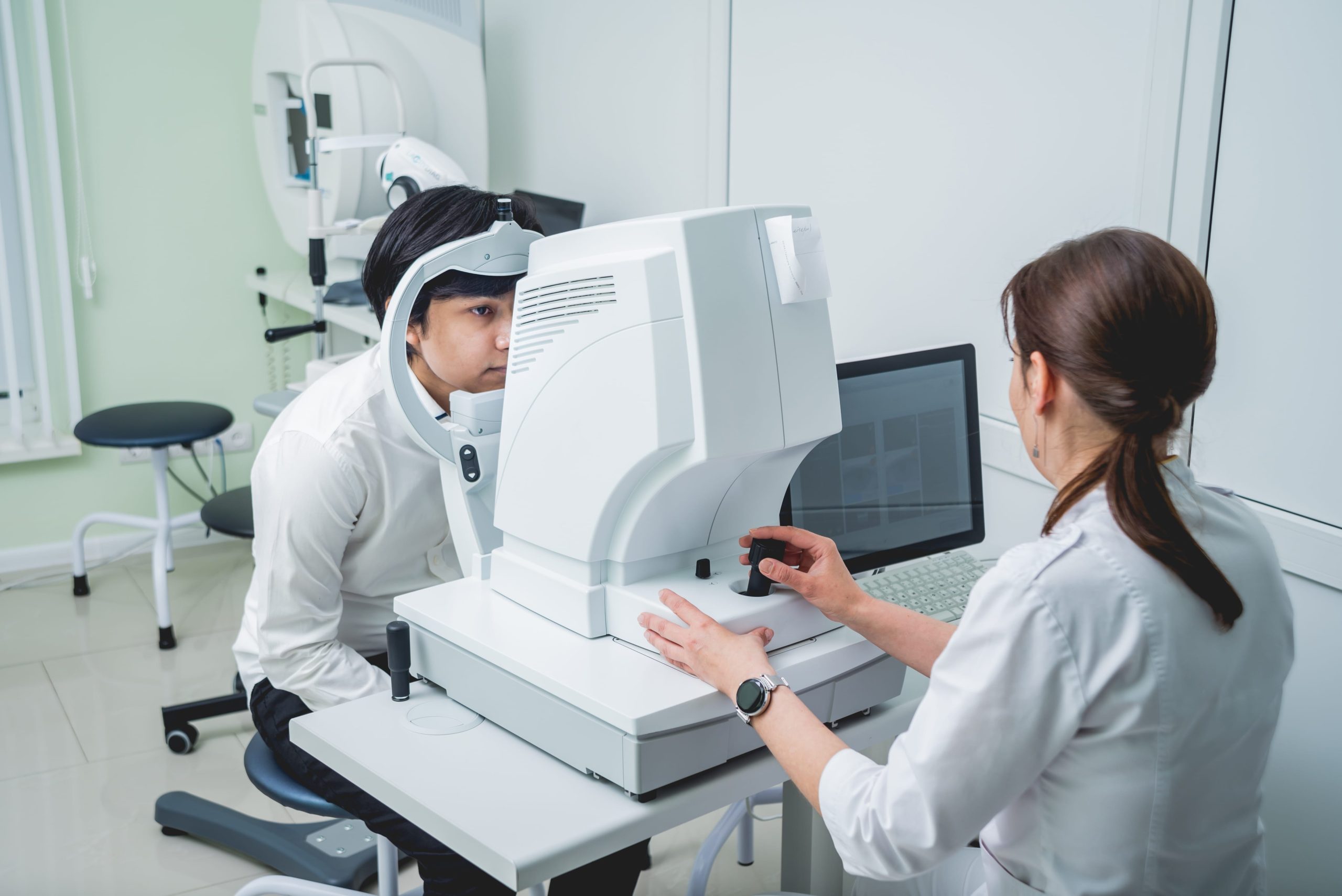
Many eye conditions develop slowly and may not cause noticeable symptoms in the early stages. By the time vision changes become obvious, the condition may already be more advanced. This is why regular eye check-ups are an important part of maintaining long-term eye health.
A comprehensive eye exam allows an eye specialist to evaluate your vision and check for signs of common eye conditions such as glaucoma, cataracts, or retinal diseases. These examinations are especially important for people with risk factors such as ageing, diabetes, high myopia, or a family history of eye disease.
For many patients, the idea of visiting an eye specialist in Singapore can feel unfamiliar or even slightly intimidating. Understanding what happens during the exam can help you feel more prepared and reassured before your appointment.
What is a comprehensive eye exam?
A comprehensive eye exam is a detailed assessment of your overall eye health and vision. Unlike a basic vision screening, which usually checks only how well you can see, a comprehensive exam evaluates multiple aspects of your eyes.
During the visit, an ophthalmologist or eye specialist will assess:
- Your visual clarity and prescription
- The health of the retina and optic nerve
- Your eye pressure
- The structures at the front of the eye
- Any early signs of eye disease
The goal is not only to determine whether you need glasses or contact lenses, but also to detect potential eye problems early before they affect your vision.
Step-by-step: Tests performed during an eye exam
A comprehensive eye exam usually involves several tests. Each test examines a different aspect of your eye health.
Vision testing
Vision testing measures how clearly you can see at different distances.
You may be asked to read letters on a chart to assess your visual acuity. This helps determine whether you have refractive errors, such as:
- Myopia (short-sightedness)
- Hyperopia (long-sightedness)
- Astigmatism
If needed, the doctor may perform a refraction test to determine the correct prescription for glasses or contact lenses.
Eye pressure (glaucoma screening)
Eye pressure testing helps screen for glaucoma, a condition that can damage the optic nerve if left untreated.
The test, called tonometry, measures the pressure inside your eye. In many clinics, this may be done using a quick puff of air or a gentle instrument that briefly touches the surface of the eye after numbing drops are applied.
The procedure is fast and typically causes minimal discomfort.
Retinal and optic nerve assessment
Your doctor will also examine the retina and optic nerve, which are critical for vision.
This part of the exam helps detect conditions such as:
- Diabetic retinopathy
- Macular degeneration
- Retinal tears or detachments
- Glaucoma-related optic nerve damage
Special imaging tests or retinal photographs may be taken to allow a detailed view of the back of the eye. In some cases, eye drops may be used to dilate the pupils, allowing a clearer examination of the retina.
How long does the exam take?
A comprehensive eye exam typically takes about 20 to 40 minutes, depending on the tests required.
If additional imaging or specialised tests are needed, the appointment may take slightly longer. Your doctor will explain each step during the process so you know what is being done and why.
If pupil dilation is required, your vision may remain blurry for a few hours afterwards, so you may wish to avoid driving immediately after the appointment.
What conditions can be detected early?
A comprehensive eye exam can detect many eye conditions before symptoms appear.
Some of the common conditions that may be identified include:
- Glaucoma
- Cataracts
- Age-related macular degeneration (AMD)
- Diabetic eye disease
- Retinal problems
- Dry eye syndrome
Early detection allows treatment to begin sooner, which can help preserve vision and prevent complications.
In some cases, eye exams may also reveal signs of broader health issues such as diabetes or high blood pressure, as changes in blood vessels can sometimes be seen in the retina.
How often should you get your eyes checked?
The recommended frequency for eye examinations depends on your age, health, and risk factors.
General guidelines include:
- Adults under 40: every 2–3 years if there are no symptoms
- Adults 40–60: every 1–2 years
- Adults above 60: yearly eye examinations are often recommended
People with certain conditions may require more frequent monitoring, including those with:
- Diabetes
- High myopia
- Glaucoma or a family history of glaucoma
- Previous eye surgery
- Existing eye diseases
Your eye specialist can advise on a schedule that is appropriate for yo
When to book an eye exam at a specialist clinic
If you experience any changes in your vision or eye discomfort, it is advisable to consult an eye specialist promptly. Symptoms that should not be ignored include:
- Blurred or distorted vision
- Frequent headaches related to eye strain
- Sudden flashes of light or floaters
- Eye pain or redness
- Difficulty seeing at night
Even if you feel your vision is normal, regular eye examinations remain important for preventive care.
At International Eye Clinic, we provide comprehensive eye examination Singapore services to assess both vision and overall eye health. Our team uses modern diagnostic equipment to detect potential issues early and guide patients on appropriate treatment options.
If you would like to schedule an eye check-up or learn more about our services, visit our clinic website here.
FAQs
Is a comprehensive eye exam painful?
A comprehensive eye exam is generally not painful. Most tests are quick and non-invasive. Some procedures may involve mild discomfort, such as bright lights or brief eye drops, but these sensations usually last only a short time.
Can eye exams detect systemic health conditions?
Yes. Eye examinations can sometimes reveal signs of systemic health issues such as diabetes, hypertension, or high cholesterol, as these conditions may affect the blood vessels in the retina.
Do I need an eye exam if I have no symptoms?
Yes. Many eye diseases develop without noticeable symptoms in the early stages. Regular eye examinations allow eye specialists to detect problems early, when treatment is often most effective.
