

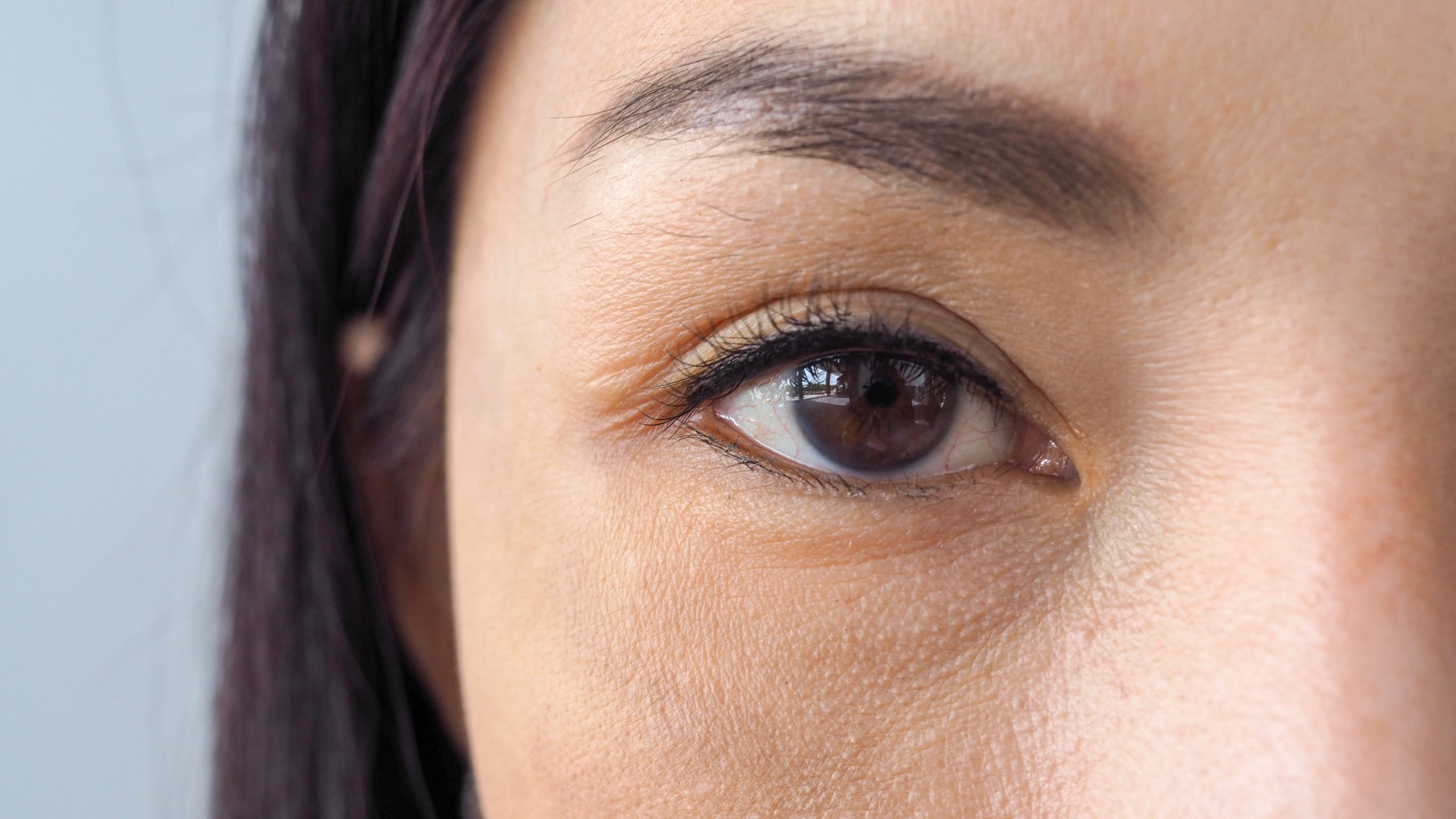
Vision problems are among the most common eye conditions affecting people today. In Singapore, refractive errors such as Myopia are particularly widespread due to a combination of genetics, lifestyle habits, and increased screen use.
Many people experience vision changes gradually. Because the symptoms develop slowly, they may be ignored or mistaken for simple eye strain or fatigue. However, untreated refractive errors can affect daily activities such as reading, driving, working on screens, and recognising faces at a distance.
Understanding the different types of eye conditions related to vision problems can help you recognise symptoms early and seek appropriate care.
What Are Refractive Errors?
Refractive errors are among the most common types of eye conditions affecting vision. They occur when the eye cannot properly focus light onto the retina, the light-sensitive layer at the back of the eye.
How light should focus in a healthy eye
In a healthy eye, incoming light passes through the cornea and lens and is focused precisely on the retina. This allows the brain to receive a clear image.
The cornea and lens work together to bend (refract) light so that objects appear sharp and well defined.
What happens when focusing is imperfect
When the shape of the eye or cornea prevents light from focusing correctly, images may appear blurred, distorted, or difficult to see at certain distances. These focusing issues are known as refractive errors.
The most common refractive errors include:
- Myopia (short-sightedness)
- Hyperopia (long-sightedness)
- Astigmatism
- Presbyopia
Each condition affects vision differently and may require specific treatment approaches.
Myopia (Short-Sightedness)
Myopia is one of the most common eye conditions in Singapore and across Asia. It occurs when distant objects appear blurry while nearby objects remain clear.
This happens when the eye is slightly longer than normal or when the cornea is too curved, causing light to focus in front of the retina.
Common causes and risk factors
Several factors may contribute to myopia:
- Genetic predisposition (family history)
- Excessive near work, such as reading or screen use
- Limited outdoor activity during childhood
- Rapid eye growth during school years
Myopia often develops during childhood and may worsen during adolescence before stabilising in adulthood.
Key symptoms
Common signs of myopia include:
- Blurry vision when looking at distant objects
- Squinting to see clearly
- Eye strain after visual tasks
- Frequent headaches
- Difficulty seeing road signs or classroom boards
Available treatment options
Treatment for myopia focuses on correcting how light enters the eye to improve visual clarity. Patients can explore suitable myopia treatment Singapore options based on their eye condition and lifestyle needs.
Glasses and contact lenses
Prescription glasses and contact lenses are the most common and straightforward solutions. They help refocus light correctly onto the retina, improving visual clarity.
Refractive surgery options
For suitable candidates, laser vision correction such as LASIK, EPI LASIK, SMILE, and SMILE Pro, may reduce or eliminate the need for glasses. Common procedures include:
- LASIK
- SMILE
- EPI-LASIK
These procedures reshape the cornea to improve how light focuses within the eye.
Hyperopia (Long-Sightedness)
Hyperopia occurs when nearby objects appear blurred while distant objects may remain clearer.
This happens when the eyeball is shorter than normal or when the cornea has insufficient curvature, causing light to focus behind the retina.
How hyperopia affects different age groups
Hyperopia can affect both children and adults. In children, mild hyperopia may sometimes go unnoticed because young eyes can compensate by adjusting focus.
In adults, the ability to compensate decreases with age, making symptoms more noticeable.
Common symptoms in children vs adults
Children may experience:
- Difficulty concentrating during reading
- Eye fatigue
- Frequent blinking or rubbing of the eyes
Adults may experience:
- Blurred vision when reading
- Eye strain during close work
- Headaches after prolonged visual tasks
Management and correction options
Hyperopia can be corrected with:
- Prescription glasses
- Contact lenses
- Refractive surgical procedures in appropriate cases
An eye specialist can recommend the most suitable option based on the severity of the condition and overall eye health.
Astigmatism
Astigmatism is another common refractive error caused by an irregular shape of the cornea or lens.
Instead of being perfectly round, the cornea may be shaped more like a rugby ball. This causes light to focus unevenly, leading to blurred or distorted vision.
Typical symptoms
People with astigmatism may experience:
- Blurred or distorted vision at all distances
- Difficulty seeing fine details
- Eye strain
- Headaches
- Squinting
Astigmatism often occurs alongside myopia or hyperopia.
Correction methods
Astigmatism can be corrected using:
- Specially designed toric glasses or contact lenses
- Laser vision correction procedures such as LASIK or SMILE
Treatment depends on the severity of the astigmatism and individual visual needs.
Presbyopia
Presbyopia is a natural age-related vision change that affects the eye’s ability to focus on close objects.
It typically develops after the age of 40 as the lens inside the eye gradually becomes less flexible.
Why does presbyopia develop with age
As we age, the natural lens of the eye stiffens and loses its ability to change shape easily. This makes it harder to focus on nearby objects such as books, mobile phones, or menus.
Presbyopia is not caused by disease but by the normal ageing process.
Early warning signs
Common early signs include:
- Difficulty reading small print
- Holding reading material farther away
- Eye strain during close work
- Needing brighter lighting when reading
Treatment solutions
Presbyopia can be managed with several solutions:
- Reading glasses
- Multifocal glasses or contact lenses
- Refractive surgery in selected patients
- Clear lens extraction is a procedure that replaces the natural lens with an artificial intraocular lens. A similar lens-replacement approach is also used in cataract surgery, although the underlying reasons for treatment may differ
How Refractive Errors Are Diagnosed
Refractive errors are typically diagnosed through a comprehensive eye examination to assess vision, determine the type of refractive error, and recommend suitable treatment.
Eye tests used to identify each condition
Common diagnostic tests include:
- Visual acuity testing
- Refraction testing to determine lens prescription
- Corneal measurements
- Retinal and optic nerve evaluation
These tests help determine the exact cause of blurred vision and identify the type of refractive error present.
Why accurate diagnosis matters for treatment success
Accurate diagnosis ensures that the correct treatment is selected. Different refractive errors may require different correction methods, and some patients may benefit from surgical solutions while others may be better suited to glasses or contact lenses.
Choosing the Right Treatment Option
Treatment decisions are usually based on lifestyle needs, age, and the severity of the refractive error.
Glasses and contact lenses
For many patients, glasses and contact lenses remain the most convenient and effective way to correct refractive errors.
They provide immediate vision correction and can be easily updated as prescriptions change.
Refractive surgery
Some patients prefer a more permanent solution. Refractive procedures may include:
- LASIK
- SMILE
- Clear Lens Extraction
These procedures aim to improve the eye’s focusing ability by reshaping the cornea or replacing the natural lens.
Personalised treatment planning
Every patient’s eyes are different. An ophthalmologist Singapore patients trust will evaluate several factors before recommending treatment.
- Corneal thickness
- Overall eye health
- Lifestyle needs
- Age and stability of prescription
When to See an Ophthalmologist
While mild vision changes may seem manageable, certain symptoms should prompt a specialist consultation.
Red flags that require specialist assessment
You should see an ophthalmologist in Singapore if you experience:
- Sudden changes in vision
- Persistent eye strain or headaches
- Blurred vision that worsens over time
- Difficulty seeing clearly despite wearing glasses
- Visual distortion or double vision
Importance of regular eye examinations
Regular eye exams help detect vision problems early and ensure that treatment remains appropriate as your eyes change over time.
At International Eye Clinic, we provide detailed eye check-up in Singapore to diagnose refractive errors and recommend suitable treatment options tailored to each patient. If you are experiencing changes in your vision or would like to explore modern vision correction options, you can learn more or book an appointment here.
FAQs
Can I have more than one refractive error?
Yes. It is common for people to have more than one refractive error. For example, someone may have both myopia and astigmatism, or develop presbyopia later in life while already having another condition.
Do refractive errors worsen over time?
Some refractive errors, particularly myopia, may worsen during childhood or teenage years before stabilising in adulthood. Presbyopia naturally progresses with age.
Are refractive surgeries permanent?
Refractive surgery results are generally long-lasting, but natural ageing changes in the eye may still occur over time. Your ophthalmologist can explain expected outcomes based on your condition.
At what age should vision changes be checked?
Vision changes should be evaluated at any age. Children with suspected vision issues should undergo early assessment, while adults should seek evaluation if they notice persistent blurred vision, eye strain, or difficulty focusing.
