

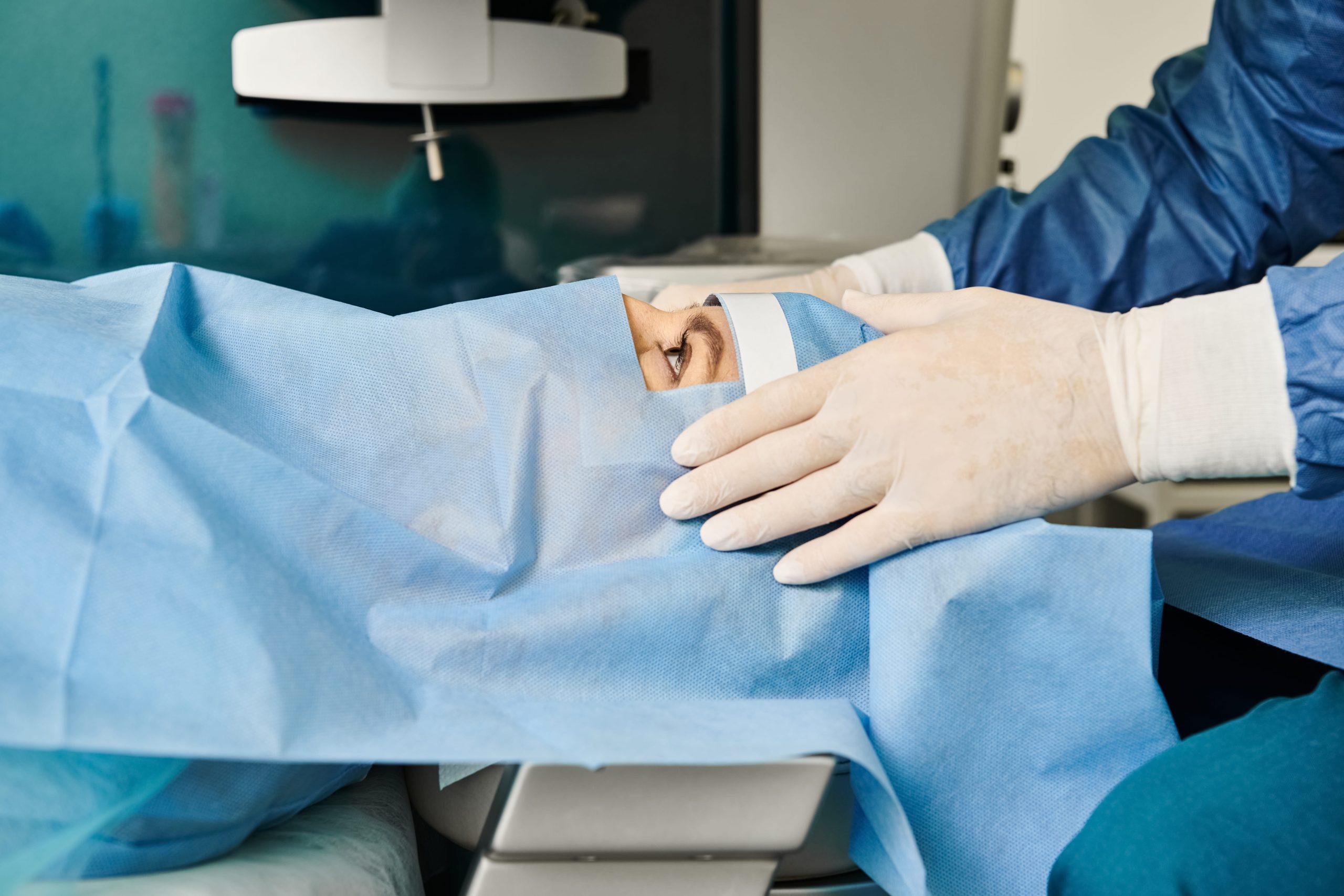
Cataract surgery is a medical procedure used to remove a cloudy lens (called a cataract) from your eye and replace it with a clear artificial lens to restore vision.
One of the most common age-related eye conditions, cataract occur when the natural lens inside the eye becomes cloudy, causing vision to gradually become blurred or dim.
In a healthy eye, the lens is clear and helps focus light onto the retina. When cataracts develop, the lens becomes opaque, making it harder for light to pass through properly. As a result, everyday tasks such as reading, recognising faces, or driving at night may become more difficult.
Cataracts typically develop slowly over time. While glasses may temporarily improve vision in the early stages, surgery is often recommended once the cataract significantly affects daily activities.
Understanding the first signs of cataract and what cataract surgery involves can help patients feel more confident about seeking treatment.
Signs you may need cataract surgery
Eye cataracts usually develop gradually, so symptoms may be subtle at first. Many people initially attribute these changes to normal ageing.
Some of the signs of cataract include:
- Blurred or cloudy vision
- Increased sensitivity to light or glare
- Difficulty seeing at night
- Faded or yellowed colours
- Frequent changes in glasses prescription
- Seeing halos around lights
When these symptoms begin to interfere with daily tasks such as reading, driving, or using digital devices, it may be time to consider cataract surgery.
Who is a suitable candidate?
Cataract surgery is typically recommended when cataracts significantly affect vision and quality of life.
You may be a suitable candidate if:
- Your vision is no longer adequately corrected with glasses
- Daily activities such as driving or reading become difficult
- You experience persistent glare or halos from lights
- Cataracts interfere with the medical evaluation of other eye conditions
Cataract surgery is generally suitable for most patients, particularly older adults. However, an eye specialist will perform a thorough examination to confirm whether surgery is the appropriate option for your condition.
How modern cataract surgery works
Many patients ask, “What is cataract eye surgery?” In simple terms, the procedure involves removing the cloudy natural lens and replacing it with an artificial lens known as an intraocular lens (IOL).
Modern cataract eye surgery in Singapore is typically performed using phacoemulsification, a minimally invasive technique. During the procedure:
- A small incision is made in the eye.
- Ultrasound energy is used to break the cloudy lens into small fragments.
- The fragments are gently removed.
- A clear artificial lens is inserted to restore focusing ability.
The surgery is usually performed under local anaesthesia and does not require an overnight hospital stay.
Types of intraocular lenses (IOLs)
Intraocular lenses are artificial lenses designed to replace the eye’s natural lens after cataract removal.
Different types of IOLs are available, and the choice depends on your visual needs and lifestyle.
Common options include:
Monofocal lens
These lenses provide clear vision at one fixed distance, usually for distance vision. Glasses may still be needed for reading or close work.
Multifocal lens
Multifocal IOLs allow patients to see at multiple distances, which may reduce the need for glasses.
Toric lens
These lenses are designed for patients with astigmatism and help improve overall visual clarity.
Your ophthalmologist will recommend the most suitable lens option based on your eye health and visual preferences.
What to expect on surgery day
Cataract surgery is usually performed as a day procedure, meaning patients can return home on the same day.
Before the procedure, eye drops may be used to dilate the pupil and numb the eye. You will remain awake during the surgery, but the eye will be comfortably anaesthetised.
During the procedure:
- The surgery typically takes around 15 to 30 minutes
- You may notice bright lights but should not feel pain
- The surgical team will guide you through the process
After the procedure, your eye will be protected with a shield, and you will be given instructions on how to care for your eye during recovery.
Recovery timeline and post-surgery care
Most patients experience noticeable improvement in vision within a few days after surgery.
Typical post cataract surgery recovery includes:
First 24–48 hours
- Mild discomfort or a scratchy sensation may occur
- Vision may appear slightly blurry at first
- Protective eye shields may be recommended during sleep
First week
- Vision gradually becomes clearer
- Prescription eye drops help prevent infection and inflammation
- Avoid rubbing the eye or exposing it to water
First few weeks
- Normal daily activities can gradually resume
- Heavy lifting and strenuous exercise may need to be avoided temporarily
Your doctor will schedule follow-up appointments to monitor healing and ensure recovery is progressing well.
Long-term outcomes and vision improvement
Cataract surgery is one of the most commonly performed and successful eye procedures worldwide.
Many patients experience:
- Clearer and brighter vision
- Improved colour perception
- Reduced glare from lights
- Greater independence from glasses (depending on lens type)
Once the cloudy lens is removed, cataracts typically do not return. With appropriate care and regular eye examinations, most patients enjoy long-lasting visual improvement.
At International Eye Clinic, we provide detailed cataract assessments and modern cataract surgery to help restore clear vision. If you are experiencing symptoms or would like to explore cataract treatment Singapore options, you can learn more or arrange a consultation with us.
FAQs
Is cataract surgery safe?
Yes. Cataract surgery is widely regarded as a safe and effective procedure when performed by an experienced ophthalmologist. Serious complications are uncommon, and most patients recover well with improved vision.
How long does cataract surgery take?
The surgery itself usually takes 15 to 30 minutes, although you may spend a few hours at the clinic for preparation and post-procedure monitoring.
Will I still need glasses after surgery?
This depends on the type of intraocular lens used. Some patients may still require glasses for reading or close work, while others may experience reduced dependence on glasses.
When can I resume normal activities?
Most patients can return to light activities within a few days. However, strenuous exercise, swimming, and heavy lifting should generally be avoided for several weeks until the eye has fully healed. Your doctor will provide personalised guidance based on your recovery progress.
